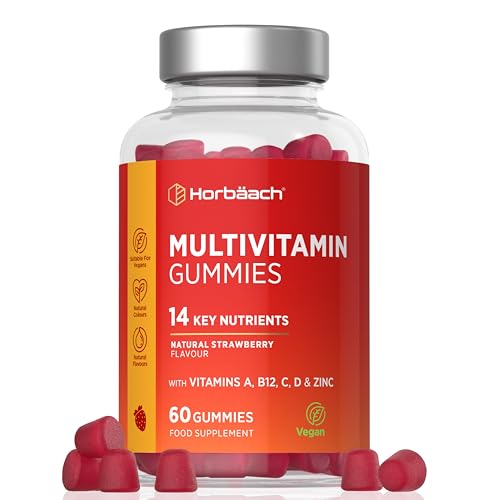
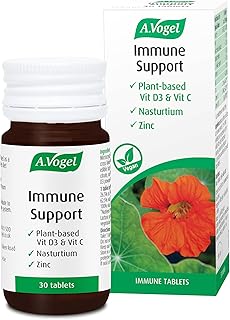
comparing plant based versus synthetic multivitamins for health
As health consciousness rises in 2026, many individuals are turning to multivitamins to bridge potential nutrient gaps in their diets. With options spanning from plant based to synthetic formulations, choosing the right multivitamin can feel overwhelming. This article delves into the differences between these two types of multivitamins, along with their respective benefits, to help you make an informed decision.
Understanding Plant Based Multivitamins
Plant based multivitamins derive their nutrients from whole food sources such as fruits, vegetables, and herbs. These supplements are often seen as more bioavailable, meaning that the body can absorb and utilise these nutrients more effectively. They are typically rich in antioxidants and phytonutrients, which can support overall health and wellness.
One of the prominent advantages of plant based multivitamins is their holistic approach to nutrition. They contain a spectrum of vitamins, minerals, and other beneficial compounds that work synergistically to improve nutrient absorption. For those who follow a vegan or vegetarian lifestyle, these multivitamins are particularly appealing as they provide essential nutrients that might be lacking in their diets, such as B12, iron, and omega-3 fatty acids.
Exploring Synthetic Multivitamins
Synthetic multivitamins, on the other hand, are manufactured in laboratories. They consist of isolated vitamins and minerals, often derived from chemical processes. While they can be convenient and less costly, there are ongoing debates about their efficacy compared to natural counterparts.
People Also Look For:
- Kojic Acid Soap + African Net Sponge (2 pack X 142g Turmeric bars) Dark spot remover, Hyperpigmentation & Scars - Original Japanes...
- Herbal Magic's Pure & Natural Blend -Vitamin B-Complex 60 Veg Capsules - Made from 14 Different Fruits, Vegetables & Herbs UKAS LA...
- DotDotPet Dog Multivitamin Gummies (30 Pack) - Plasma Superfood Dog Supplements - Vet Endorsed Daily Vitamins Chew for Immunity, G...
- Men's Multivitamins and Minerals - 25 Essential Active Vitamins and Minerals with Added Maca Root and Panax Ginseng - Multivitamin...
- WILD NUTRITION Food-Grown® Women's Daily Multi Nutrient | to Support Hormonal Balance, Fatigue, and Mental Resilience | Multivi...
The primary benefit of synthetic multivitamins is their standardisation. Each tablet or capsule typically contains a consistent amount of nutrients, making it easier to monitor intake. However, some studies suggest that synthetic vitamins may not be as effectively absorbed by the body, particularly when taken without food. Additionally, some individuals may experience gastrointestinal discomfort when taking synthetic formulations.
Comparing Nutrient Bioavailability
A key point of differentiation between plant based and synthetic multivitamins is nutrient bioavailability. Research suggests that the body may absorb vitamins and minerals from plant sources more effectively than from synthetic alternatives. For example, the vitamin C found in fruits and vegetables is accompanied by other compounds that enhance absorption, while synthetic vitamin C may lack these beneficial components.
Moreover, certain nutrients such as vitamin E exist in various forms, with the natural form (d-alpha-tocopherol) being more easily absorbed than its synthetic counterpart (dl-alpha-tocopherol). Thus, when selecting a multivitamin, it is crucial to consider the forms of vitamins and minerals present in the supplement.
Identifying Potential Allergens and Additives
When comparing these multivitamins, it is also essential to look at the ingredient list. Plant based multivitamins often contain fewer synthetic additives and preservatives, making them a preferable choice for those with food sensitivities or allergies. Ingredients such as artificial colours, flavours, and fillers are more common in synthetic products, which can be a concern for health-conscious consumers.
Additionally, some individuals may prefer to avoid gluten, dairy, or soy, which can be found in certain synthetic multivitamin formulations. Thus, for those with dietary restrictions, plant based options can provide a cleaner alternative.
Cost and Accessibility
Cost is another factor to consider when choosing between plant based and synthetic multivitamins. Generally, synthetic multivitamins are more affordable and widely available in supermarkets and pharmacies. In contrast, plant based options may come at a premium, often due to sourcing and production costs. However, investing in quality supplements may yield better health outcomes in the long run, making them worth the extra expense for many individuals.
When seeking out a multivitamin, always prioritise quality. Look for products that are third-party tested for purity and potency, regardless of whether they are plant based or synthetic. This ensures you are getting a reliable product that meets your health needs.