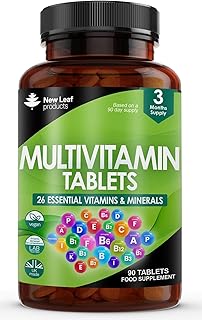
Essential Buyer Guide to Choosing the Right Multivitamins
In the bustling world of health and wellness, multivitamins have become a staple for many seeking to bridge the nutritional gaps in their diets. With the myriad of options available, choosing the right multivitamins can be a daunting task. This guide will provide you with essential tips and information to make an informed decision tailored to your specific needs.
Understand Your Nutritional Needs
The first step in selecting a multivitamin is understanding your individual nutritional needs. Factors such as age, gender, lifestyle, and dietary restrictions play a vital role in determining which vitamins and minerals you may be lacking. For instance, women of childbearing age might need extra iron and folic acid, while older adults may benefit from additional vitamin D and calcium.
Research Ingredients Carefully
Once you have a clear understanding of your needs, it is crucial to examine the ingredient list of potential multivitamins. Look for products that include a range of essential vitamins such as A, C, D, E, and K, as well as B vitamins like thiamine, riboflavin, niacin, and B12. Additionally, check for key minerals such as zinc, magnesium, and selenium. Ensure that these nutrients are present in appropriate amounts - too little may not be effective, while too much can lead to adverse effects.
People Also Look For:
- Dog Multivitamin, 15 in 1 Multivitamin for Dogs, Dog Vitamins Liquid Supplements Drops for Hip & Joint, Skin & Coat, Immune, With ...
- Immune Defence Support 14 in 1, Vitamin C D B, Zinc, Selenium, Elderberry, Probiotics, Turmeric, Ginger Immunity System Booster Ad...
- Dog Multivitamin Chewable,15-in-1 Dog Vitamins & Supplements,Pet Joint Support Health- Skin, Coat Heart, Hips, Joints,Digestion & ...
- Lindens Vitamin E Oil 100IU - 200 Capsules - UK Made - Skin - Powerful Antioxidant | Protection of Cells from Oxidative Stress | V...
- WILD NUTRITION Food-Grown® Women's Daily Multi Nutrient | to Support Hormonal Balance, Fatigue, and Mental Resilience | Multivi...
Quality and Bioavailability
Not all multivitamins are created equal when it comes to quality. Opt for brands that undergo third-party testing to ensure that the product contains what it claims. Look for certifications from organisations such as the UK’s Food Standards Agency or the NSF International. Furthermore, consider the bioavailability of the nutrients. Some forms of vitamins and minerals are more easily absorbed by the body than others. For instance, methylcobalamin is a better absorbed form of vitamin B12 compared to cyanocobalamin.
Consider Dietary Restrictions and Allergies
If you have dietary restrictions or allergies, it is essential to choose a multivitamin that accommodates your needs. Many brands offer vegan, vegetarian, gluten-free, and allergen-free options. Pay attention to the labels; some multivitamins may contain fillers, binders, or artificial additives that could trigger allergic reactions or be unsuitable for your dietary preferences.
Evaluate the Form of Multivitamins
Multivitamins come in various forms, including tablets, capsules, gummies, and powders. The best form for you depends on your personal preference and how you plan to incorporate them into your daily routine. Gummies may be more appealing for those who dislike swallowing pills, while powders can be an excellent option for those who prefer mixing their supplements into smoothies or drinks. That said, be cautious with gummy vitamins, as they may contain added sugars.
Look for Value for Money
When selecting multivitamins, consider both the price and the number of servings per container. Sometimes, a cheaper option may not provide adequate amounts of essential nutrients, and a more expensive brand may offer better quality and bioavailability. Calculate the cost per serving to get a clearer picture of the value for money. Additionally, keep an eye out for bulk buying options or subscribe and save programmes that many brands offer.
Consult with a Healthcare Professional
Before starting any new supplement regimen, it is wise to consult with a healthcare professional, especially if you have existing health conditions or are pregnant. A doctor or registered dietitian can provide personalised recommendations based on your health history, dietary habits, and specific nutrient requirements.